

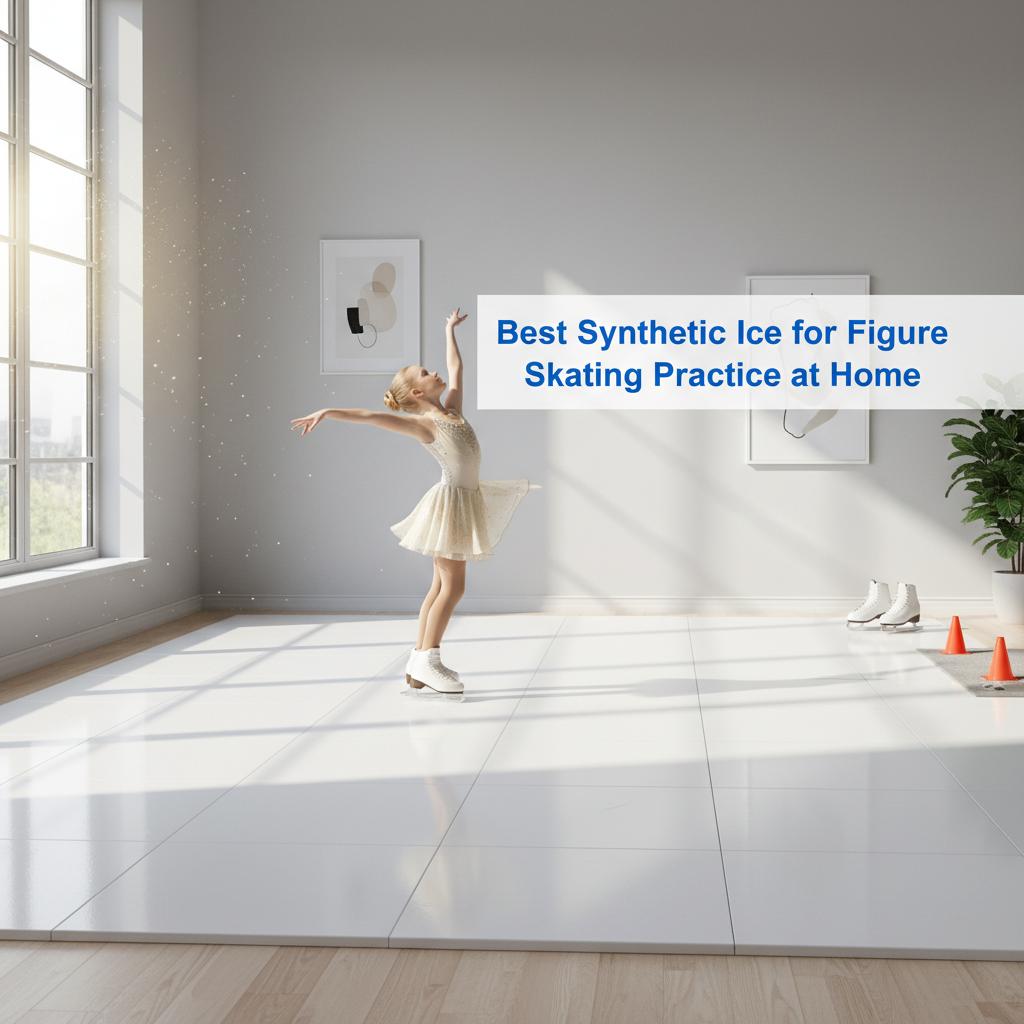
If you’re a figure skater—or have one in your family—you know how important regular practice is. But getting time at the rink isn’t always easy. Early morning sessions, travel time, and high costs can make it tough to stay consistent. That’s where synthetic ice for figure skating comes in!
Imagine stepping into your garage or basement, lacing up your skates, and gliding onto your very own ice-like surface. Pretty cool, right? Installing synthetic ice at home has become a game-changer for skaters of all levels. But before you make the leap, you probably want to know one thing:
What’s the Best Synthetic Ice for Figure Skating?
Great question. Not all synthetic ice is created equal. In fact, figure skaters have very specific needs that set them apart from hockey players or recreational skaters. Let’s break it down so you can find the perfect surface for spins, footwork, and jumps—all from home.
First, What Is Synthetic Ice?
Before we dive into the best options, let’s quickly go over what synthetic ice actually is. Simply put, it’s a type of plastic panel designed to replicate the feeling of real ice. Skaters can use their regular metal-blade skates, no refrigeration needed. The panels usually interlock and can be installed almost anywhere with a flat surface.
Why Figure Skaters Need a Special Kind of Synthetic Ice
Not all synthetic ice is ideal for figure skating. Why? Because figure skaters rely heavily on edge control, spin technique, and jump take-offs. A sub-par surface can interfere with these critical movements. While hockey players mostly focus on speed and puck control, figure skaters demand more finesse.
So, what should skaters be looking out for?
- Low resistance: The surface should allow skates to glide smoothly, mimicking real ice.
- Durability: Panels should hold up to jump landings and heavy spins.
- No “clicking”: Interlocking seams should be tight, so the surface is seamless underfoot.
- Edge performance: The ice should be firm enough for deep edges and turns.
Choosing the Right Synthetic Ice for You
There are a few key things you’ll want to consider when shopping for synthetic ice for figure skating practice. Here’s what matters most:
1. Panel Thickness
Thicker panels tend to provide better performance and last longer. Most high-quality options range from 3/8” to 3/4” thick. For figure skaters doing jumps and spins, thicker is better. It offers more stability and can withstand repeated impact from landings.
2. Glide Factor
The glide factor tells you how much the surface mimics real ice. It’s usually measured as a percentage. For example, a 90% glide factor means the panel feels 90% as smooth as real ice. Look for glide ratings above 85% if you’re serious about training.
Some panels also have self-lubricating technology, which helps keep the surface slick without needing sprays or conditioners. That means less maintenance and a more consistent skating experience.
3. Interlocking System
How the panels fit together can affect how the ice feels. Tight, precise connections prevent any clicking or unevenness as you move across the surface. Tongue-and-groove or puzzle-style interlocks are both popular, but always look for panels with tight seams and strong connections.
4. Ease of Installation and Portability
Are you planning a permanent practice area, or do you need something more flexible? Lightweight panels are easier to move, but heavier ones may offer better stability. Some setups can be done by one person in under an hour—so even if you’re not super handy, installation should be manageable.
Best Synthetic Ice Brand for Figure Skaters: PolyGlide Synthetic Ice
One of the most trusted names in the industry is PolyGlide Synthetic Ice. What makes them stand out, especially for figure skaters?
- High glide factor: Their panels are known for offering an ultra-smooth glide that’s great for spins and edges.
- Durable construction: These panels are built tough, perfect for practicing everything from loops to lutz jumps.
- Easy setup: The puzzle-piece connection system is designed for quick and easy installation.
- Custom sizes: Whether you’re converting a garage or creating a small corner rink, they’ve got you covered.
- Self-lubricating surface: No extra sprays needed. That means less mess and more skating!
If you’re looking to replicate real ice without the maintenance of a refrigerated setup, PolyGlide is a fantastic option.
How Much Space Do You Need?
This is one of the most common questions. The answer? It depends on your goals.
A small 5×10 ft area is enough for practicing basic edge work, turns, and short spins. If you have room for a full garage or basement setup—say 10×20 ft—you’ll have more freedom for footwork and sequence drills. Every bit of space helps, but even a modest area can make a huge difference in your training routine.
Tips for Skating on Synthetic Ice
If it’s your first time trying synthetic ice, it might feel a little different from real ice. Here are a few pointers:
- Get your blades sharpened: Skating on synthetic ice can dull blades faster. Keep them sharp for better results.
- Start with drills: Use the time to improve technique. Practice control, balance, and form in a focused way.
- Break in gradually: Give your body time to adjust to the new feel under your skates.
Many skaters find that training on synthetic ice actually helps them build strength and improve form—making them even better when they get back to the real rink.
Final Thoughts
Whether you’re training for your next competition or just want to enjoy skating without leaving home, synthetic ice can be a great investment. The key is choosing a surface that supports all the intricate moves that figure skating requires.
With brands like PolyGlide leading the way, it’s easier than ever to create your own personal training space. Make sure to pick the right thickness, glide rating, and panel design to match your needs—and soon you’ll be spinning, gliding, and jumping your way to your skating goals, all from the comfort of home.
So, are you ready to transform your home into a practice rink? Your future self (and your coach) will thank you!
Ready to Get Started?
If you’re curious about how to build your own synthetic ice rink or want to learn more, check out PolyGlide’s full line of products. They’ve helped thousands of skaters turn unused corners of basements, garages, and even spare bedrooms into dream practice spaces. Now it’s your turn.
Happy skating!