

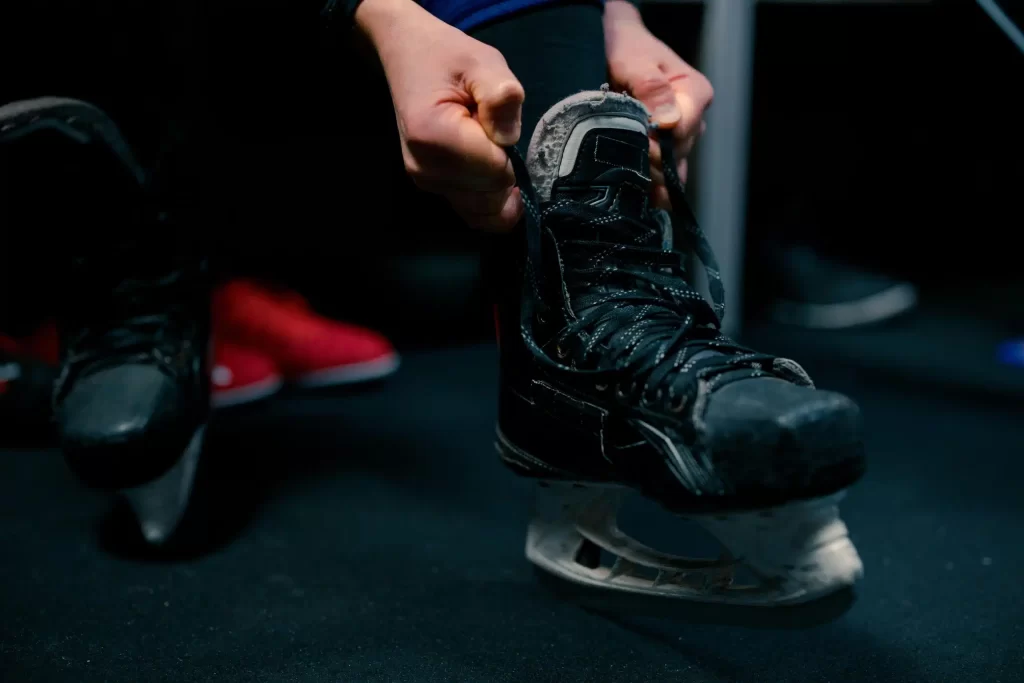
Whether you’re a beginner learning the basics or an experienced player chasing speed and precision, one thing is true for every skater: sharp skates matter. Imagine trying to cut through butter with a dull knife—it just doesn’t work. The same goes for your ice skates. Knowing how to sharpen your ice skates can seriously improve your balance, control, and confidence on the ice.
In this guide, we’ll break down the ins and outs of skate sharpening in simple, easy-to-grasp steps. By the end, you’ll not only understand why sharpening skates is essential but also how to tell when your skates need a tune-up—and even where to get it done!
Why Sharp Skates Are a Game-Changer
Sure, skates are designed to glide—but not just any edge will do. A properly sharpened blade can give you the control to stop on a dime, turn sharply, and accelerate smoothly. On the other hand, dull blades can feel like tires without tread—you’ll slip, slide, and struggle no matter how hard you try.
Let’s look at a few reasons to keep your skates in top shape:
- Better grip on ice – Sharp skates bite into the ice, boosting your traction and reducing slips.
- Smoother turns – Helps you carve clean curves and quick pivots with ease.
- Improved stopping power – Whether it’s a sudden hockey stop or a slow glide to a halt, sharper edges give you more control.
- Enhanced speed – Less resistance and better flow can mean faster skating.
Understanding Skate Blade Edges: What Is a Hollow?
Here’s where things get interesting—the bottom of a skate blade isn’t flat. It actually has a curved groove known as the “hollow.” This creates two sharp edges (one on each side of the blade).
Think of it like a spoon that’s been cut in half—rounded in the middle but thin on the sides. The depth of that groove affects how the skate interacts with the ice.
Deeper Hollow vs. Shallower Hollow
- Deeper Hollow (e.g., 3/8”): Offers more grip but may slow you down slightly. Great for beginners or figure skaters who value control.
- Shallower Hollow (e.g., 5/8” or 3/4”): Less bite into the ice, but faster glide. Common for experienced hockey players or speed-focused skaters.
So, how do you choose the right hollow? It depends on your skill level, skating style, and personal feel. If you’re unsure, chat with your local pro shop—their advice can point you in the right direction.
How Do You Know When Your Skates Need Sharpening?
One of the most frequent questions asked by new skaters is, “How often should I sharpen my skates?” Unfortunately, there’s no universal rule. But there are some signs that can help you figure it out.
Look for These Warning Signs:
- Dull edges: If you slide sideways instead of stopping, you probably need a sharpening.
- Visible nicks or rust: Any visible damage on the blade can compromise your performance—and safety.
- Loss of control: If turns feel wide or your stops seem sluggish, sharpening could help.
- Blades feel different: If you’ve been skating regularly and things suddenly feel “off,” your edges are likely the culprit.
A good rule of thumb? If you’re skating once or twice a week, aim for a sharpening every 3-4 weeks. More frequent skating, especially on indoor rinks, might require weekly maintenance.
Where and How to Sharpen Ice Skates
The easiest and most reliable way to sharpen ice skates is by taking them to a trained professional. Most ice rinks and sporting goods stores offer skate sharpening for a small fee—and they know what they’re doing!
What Happens During Sharpening?
During the process, your skates are mounted in a specialized sharpening machine. A spinning wheel grinds the hollow into your skate blade to the desired depth. An experienced technician will make sure both blades are even and shaped consistently.
Thinking of doing it yourself? DIY sharpening kits do exist, but they can be risky if you’re not sure how to use them. It’s a bit like cutting your own hair—it might work in a pinch, but it’s easy to mess up if you’re not trained.
Maintaining Your Skate Blades Between Sharpenings
Keeping your blades in good shape between sharpenings can make them last longer and perform better. Here are some simple tips:
- Always dry your blades: After skating, use a soft towel to wipe off moisture and prevent rusting.
- Use blade guards: Hard guards protect your blades when walking off the ice. Soft soakers are great for storage and absorb any leftover moisture.
- Store them properly: Keep skates in a dry area—not in your car or garage where they could rust or warp in extreme temperatures.
What Happens If You Don’t Sharpen Your Skates?
It might not seem like a big deal at first, but skating with dull blades can lead to more than just poor performance. You’ll waste energy trying to compensate, increasing the risk of muscle strain and even injury. Plus, dull blades make learning tougher for beginners and limit progress for pros.
In short, a sharp blade equals a safer, smoother, and more enjoyable ride. Don’t let bad maintenance slow you down!
Final Thoughts: Sharpening Is Part of the Journey
Think of skate sharpening as tuning a guitar—you won’t play great music unless your strings are just right. The same goes for breathtaking jumps, seamless stops, and winning goals. If you want to skate your best, your edges need to be razor-ready.
So next time you’re on the ice and things feel a bit “off,” ask yourself: When did I last get my skates sharpened? That quick pit stop at the sharpening station might be all you need to bring your A-game back.
And remember, if you’re ever unsure about your hollow, blade damage, or sharpening schedule, your local skate shop or rink staff are always ready to help. They’ve seen it all—and they’ll steer you right.
Ready to skate sharper, faster, and safer? Treat your skates to a proper sharpening—you’ll feel the difference in every stride.